




 Menu
MenuWorking From Home in 2026: Creating a Comfortable and Productive Home Workspace

Working From Home in New Zealand: Make working from home work for you
Working from home has become a normal part of professional life in New Zealand. While many employees have returned to the office in some capacity, hybrid working remains a regular part of professional life for many New Zealanders. Whether you're working from home one day a week or most of the time, having a workspace that supports how you work can make a significant difference.
What began during the COVID-19 pandemic as a temporary adjustment has evolved into a flexible model where employees divide their time between home and the office. For many organisations this balance allows teams to collaborate in person while still supporting focused work from home.
As this shift continues, more people are recognising the importance of creating a proper home workspace. A well-designed setup can improve productivity, reduce physical strain, and make remote work significantly more comfortable.
From Temporary Measure to Long-Term Work Pattern
The rapid transition to remote work during the pandemic demonstrated that many jobs could be performed effectively outside traditional offices. Since then, global research shows that working from home has stabilised at levels significantly higher than before 2020.
Economic research from the International Monetary Fund suggests that working from home has increased roughly fivefold compared with pre-pandemic levels, reflecting a permanent shift in workplace habits.¹
Why a Proper Home Workspace Matters
During the early days of remote work, many people improvised with temporary setups at kitchen tables or on couches. While workable in the short term, these arrangements can quickly lead to discomfort and reduced productivity.
Research examining remote work experiences has found that factors such as distractions, limited space, and poor ergonomics can significantly affect wellbeing and performance when working from home.³
Creating a dedicated workspace helps address these challenges by providing:
• Better posture and physical support
• Fewer distractions during work hours
• Clearer separation between work and personal life
• Improved focus for complex tasks
Even small improvements to a home office can make a noticeable difference in daily comfort.
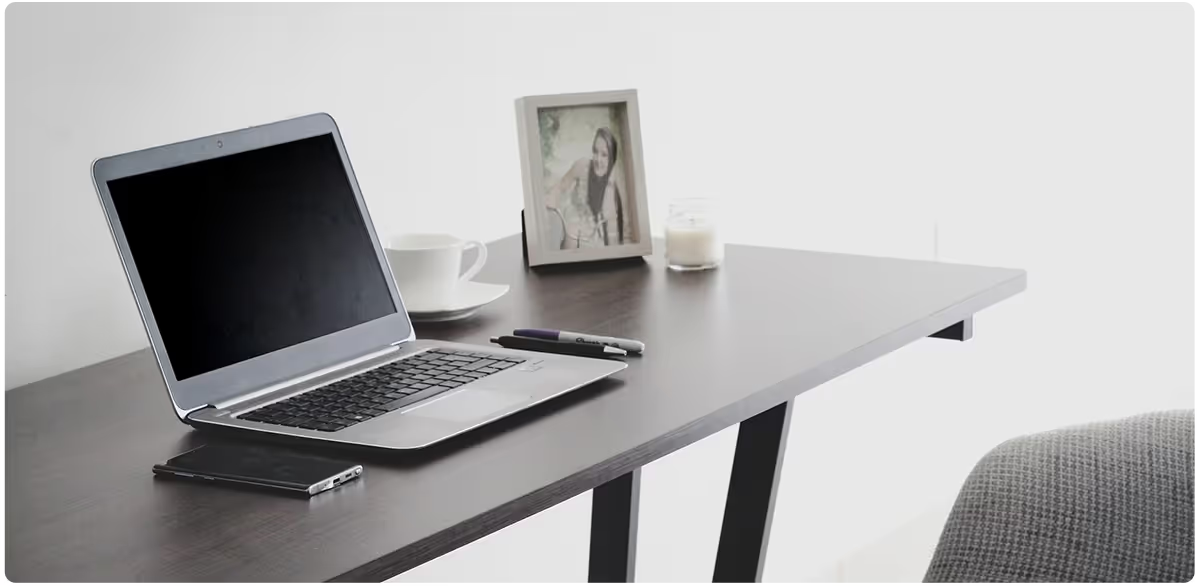
Below are a list of tips to create a comfortable, yet productive work form home set up
Designing a functional home workspace does not require a large room or complicated layout. The most important factors are ergonomics, flexibility, and efficient use of space.
Several furniture elements can greatly improve the working-from-home experience.
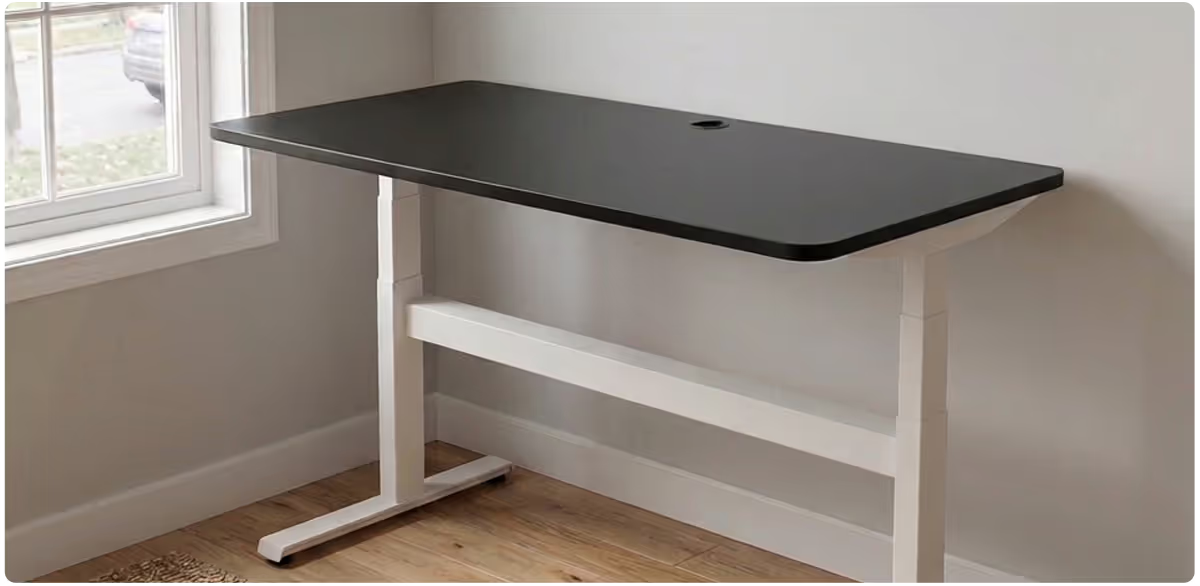
Adjustable Sit-Stand Desks
Height-adjustable desks allow users to alternate between sitting and standing throughout the day. This flexibility encourages movement and helps reduce the physical strain associated with long periods of sitting.
Compact sit-stand desks are particularly well suited to home offices because they provide professional functionality while fitting comfortably into smaller spaces.
If a full-sized or replacement desk isn't practical or within your budget when setting up your home workspace, a cost-effective alternative is a Deskalator. These sit on top of your existing desk, giving you an adjustable-height platform for your laptop and allowing you to switch between sitting and standing while you work.
Tip: When choosing a desk, consider how much room you actually need. A compact desk can provide enough space for a laptop, monitor and everyday essentials without taking over a bedroom, study or shared living space.
Curious about the evidence behind sit-stand desks? Read our deeper look at how alternating between sitting and standing can affect health, comfort and productivity.
Ergonomic Office Chairs
An ergonomic chair is one of the most important investments for anyone working from home regularly. Proper lumbar support and adjustable seating positions help maintain posture and reduce fatigue during long work sessions.
Tip: Look for a chair that can be adjusted to suit your body and desk height. Features such as lumbar support, seat-height adjustment and adjustable armrests can help create a more comfortable working position.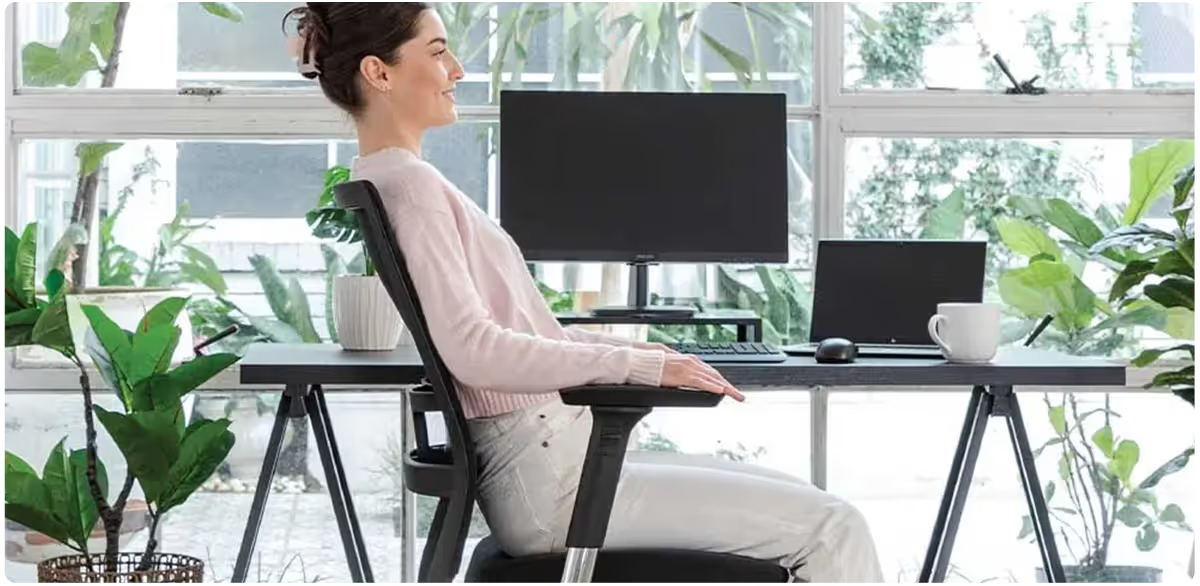
Dedicated Work Desks
A proper desk helps create a clear boundary between work and personal life. Even in smaller homes or apartments, a dedicated workstation can improve concentration compared with working from dining tables or sofas.
Tip: Where possible, position your desk somewhere that can be associated with work, rather than moving between the couch, kitchen bench and dining table. Even a small dedicated area can help create a clearer separation between work and home life.
Lighting and Screen Position
Good lighting is another important part of a comfortable home workspace. Where possible, make use of natural light without positioning your screen directly in front of a window or with a bright window directly behind it. This can help reduce glare and make your screen easier to view.
Tip: Your monitor should also be positioned at a comfortable height, with the top of the screen roughly at or slightly below eye level. A monitor arm can be a simple way to adjust screen height while also freeing up valuable desk space.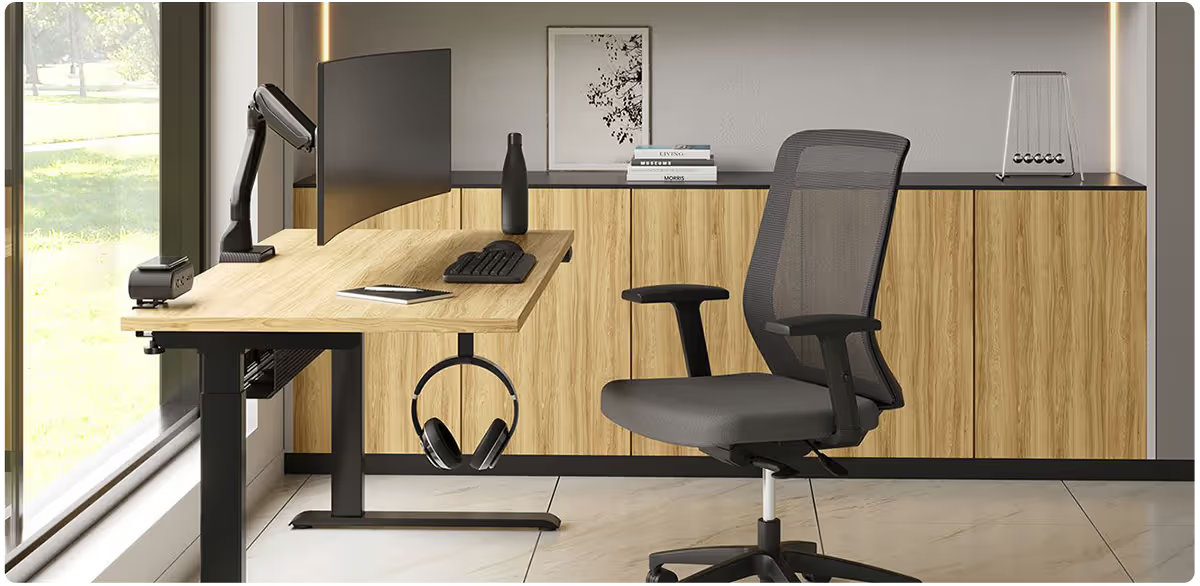
Managing Noise and Distractions
Busy households can make it difficult to concentrate. Simple layout changes such as positioning a desk away from high-traffic areas can help create a quieter and more focused environment.
TIp: If background noise is unavoidable, consider ways to create a quieter workspace. Soft furnishings, rugs and acoustic products can help manage sound, while headphones or a dedicated acoustic solution can provide additional separation when you need to focus
We take a deeper look into this particular subject here.
Making a Small Space Work
Not everyone has a spare room that can become a home office. For many people, a workspace needs to share space with a bedroom, living room or other part of the home.
In these situations, choosing furniture carefully becomes even more important. Compact desks, monitor arms and flexible storage can help make better use of limited floor space.
Tip: A workspace that can be packed away or adapted when it isn't being used can also make a multi-purpose room feel less like an office outside working hours.
Supporting Home Workspaces with Professional Furniture
Many of the same furniture solutions used in commercial workplaces can also work exceptionally well in home environments.
Bourneville Furniture Group provides a number of workplace solutions that translate easily into home offices, particularly for professionals who spend significant time working remotely.
Some options include:
Electric sit-stand desks
Provide ergonomic flexibility and allow users to change posture throughout the day.
Compact workspace desks
Offer practical work surfaces that fit easily into spare rooms, studies, or multi-purpose spaces.
Ergonomic seating solutions
Designed for long-term comfort and proper support during extended work sessions.
By incorporating professional-quality furniture into a home workspace, remote workers can create environments that support productivity while maintaining comfort.
The Future of Hybrid Work in New Zealand
Hybrid work is likely to remain an important part of the modern workplace. Employees increasingly expect flexibility in where they work, while organisations recognise the benefits of allowing teams to balance office collaboration with focused work from home.
Rather than replacing offices, remote work is changing how they are used. Offices are increasingly focused on collaboration and teamwork, while home workspaces provide quiet environments for concentration. As these patterns continue to evolve, creating effective workspaces in both locations will be key to maintaining productivity and wellbeing.
Working from home is now an established part of how many New Zealanders work. Whether you have a dedicated home office or simply a small corner of a shared room, the right setup can make working from home more comfortable, focused and productive.
You don't need a large space or an elaborate setup. Start with the essentials: a comfortable chair, a desk at the right height, good lighting, and a workspace that helps you focus. Small changes can make a big difference to how you feel at the end of the working day.
Not sure what furniture or sizes will work best for your home office? Our team is happy to help you find the right options for your space. Get in touch with us to discuss what you need and request a quote.
Sources Cited:
Bloom, N. (2024). Working From Home Is Powering Productivity. International Monetary Fund.
https://www.imf.org/en/publications/fandd/issues/2024/09/working-from-home-is-powering-productivity-bloom
Stanford Institute for Economic Policy Research. Working from Home in 2025: Five Key Facts.
https://siepr.stanford.edu/publications/essay/working-home-2025-five-key-facts
Russo et al. Predictors of Well-being and Productivity During Remote Work.
https://arxiv.org/abs/2007.12580
Sustainable Office Furniture in 2026: Before You Buy
Sustainability has moved from a marketing trend to a core requirement in corporate procurement. Organisations are now expected to demonstrate measurable environmental responsibility across their operations, including the furniture they specify for offices, educational facilities, and commercial spaces.
READ MORE